
Discover Colombia Sustainably
Embark on a journey through Colombia’s diverse landscapes while preserving its natural beauty and cultural heritage.
Preserve Nature
Learn how to travel without leaving a trace and protect Colombia’s fragile ecosystems.
Support Local Communities
Engage with local artisans and communities to ensure your travel benefits those who call Colombia home.
Tread carefully in fragile places
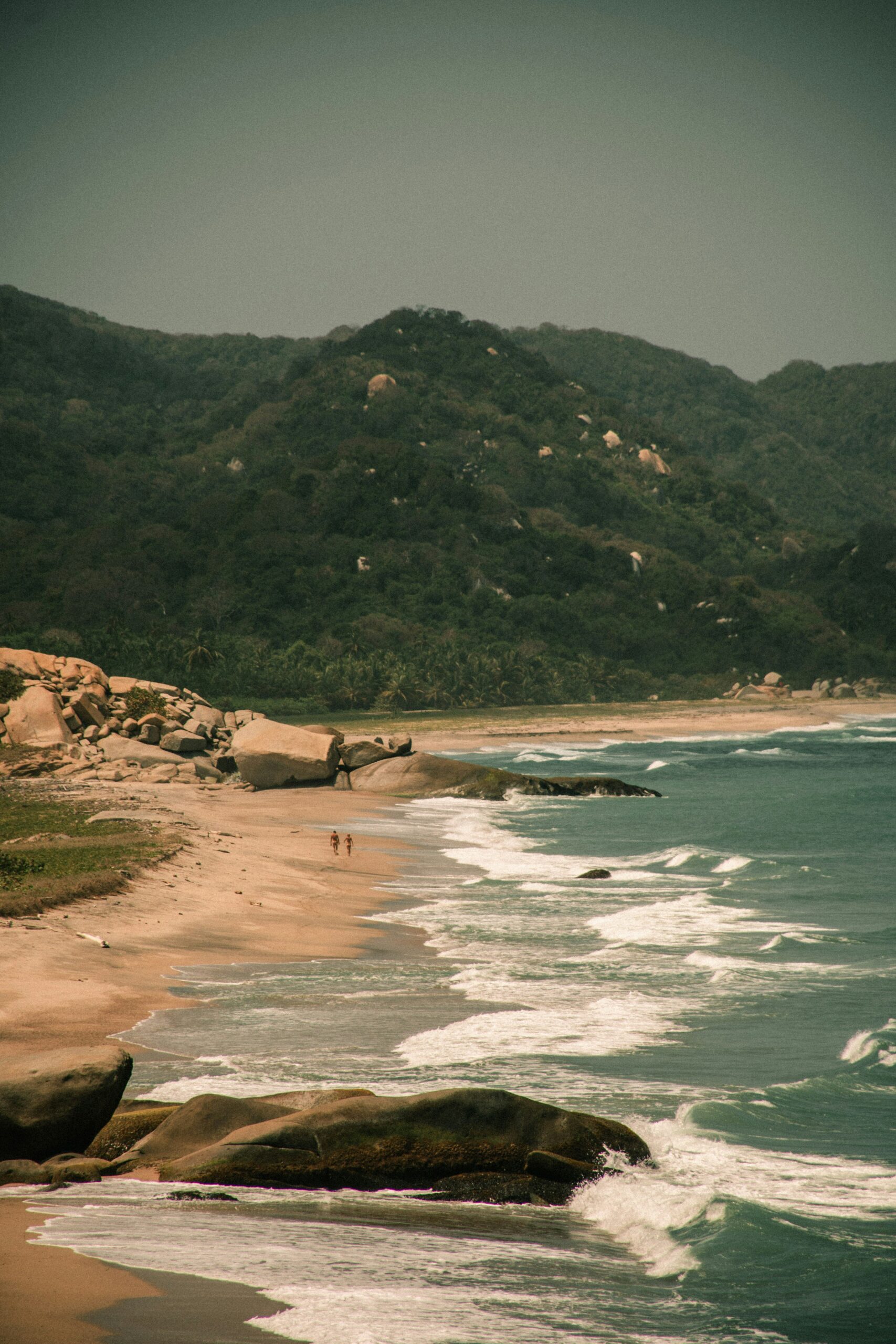
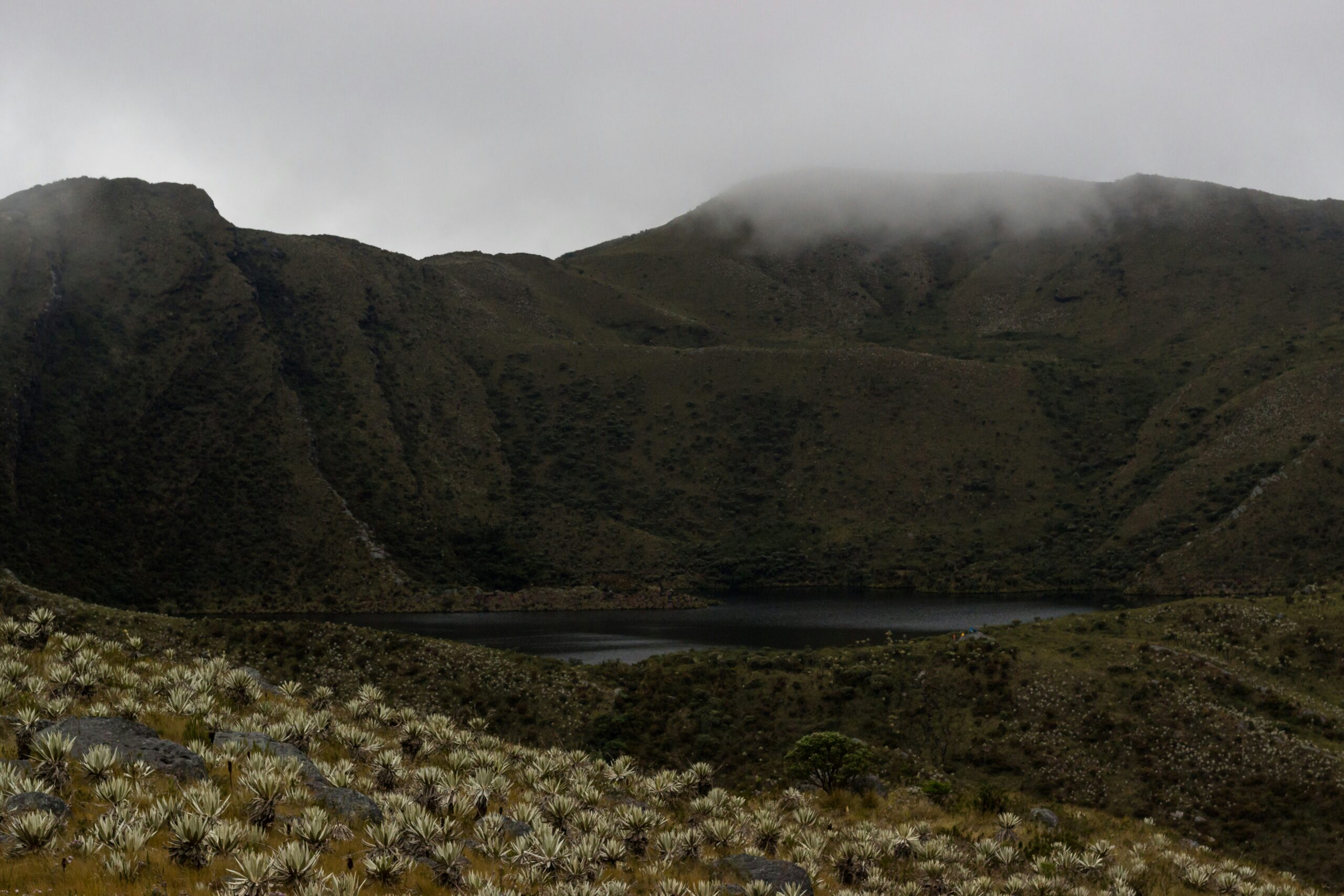
Some of Colombia’s most beautiful landscapes are also its most delicate. The high-altitude paramos feed the rivers and supply drinking water to cities below, and they recover slowly from damage. Cloud forests, the coral reefs off the Caribbean, and the Amazon are all easily harmed by careless visitors. Stay on the marked trails, leave plants and rocks where they are, and on the coast, never stand on or touch coral and choose reef-safe sunscreen. As always, pack out everything you bring in.
Keep Wildlife Wild
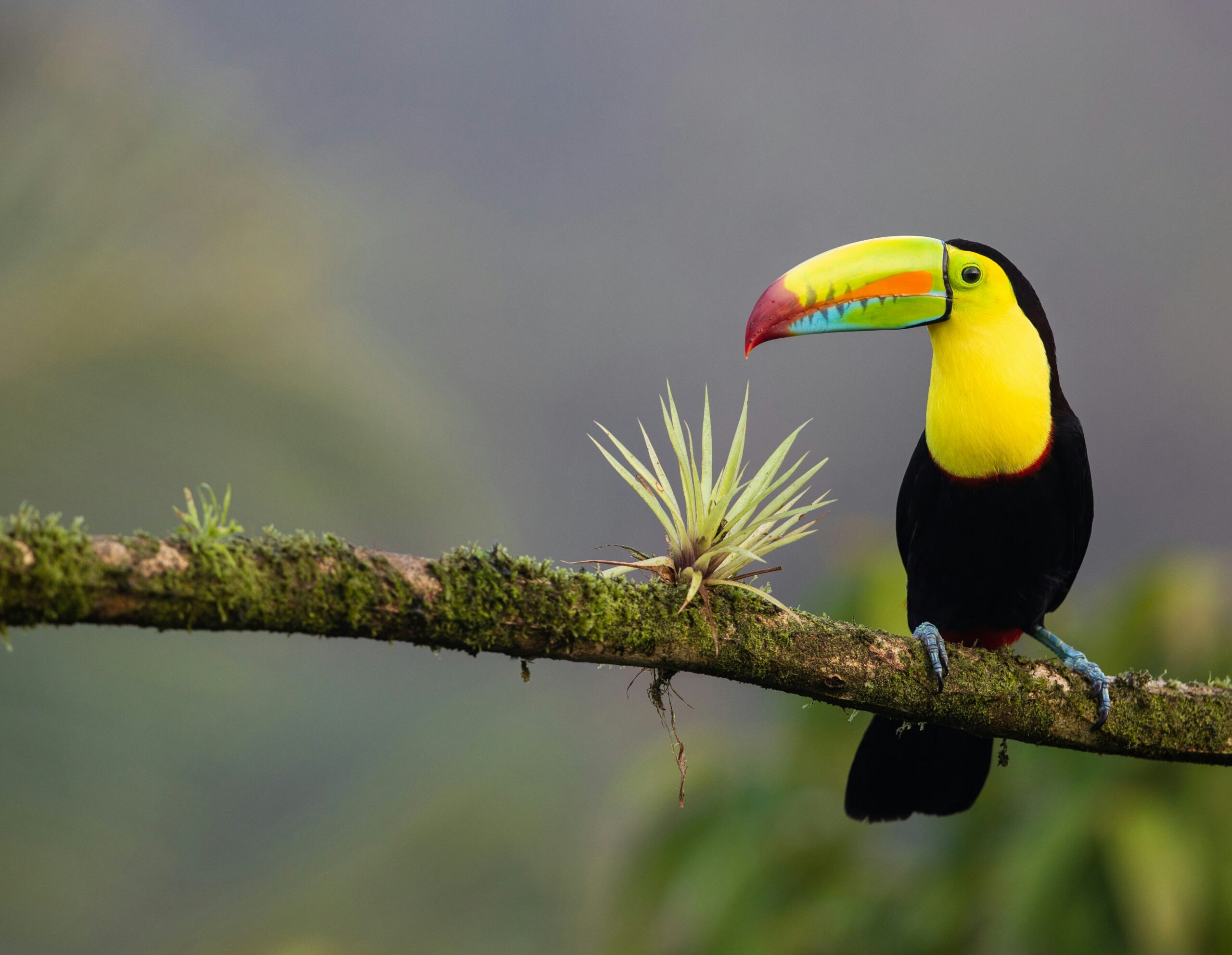
Colombia’s wildlife is a headline reason people come, and it is also where some of the worst tourism habits show up. Steer clear of beach hawkers and operators who let you hold or pose with sloths, monkeys, or other wild animals. Those animals are often taken from the wild and suffer for the photo. The rewarding encounters are the ones that keep animals wild and you at a distance: birdwatching, responsible whale watching off the Pacific coast in season, and simply observing rather than touching.
Put your money into local hands
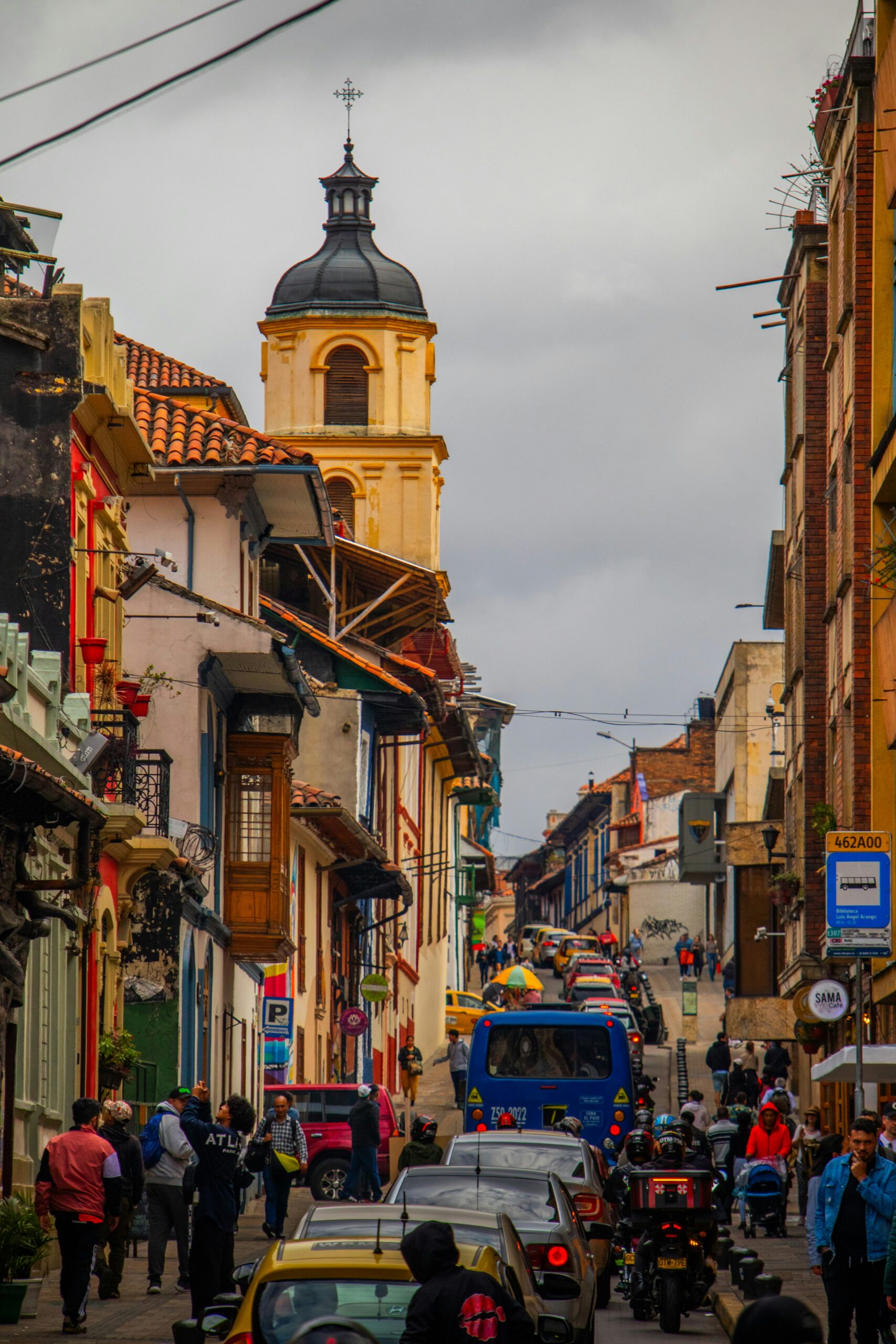
Where you spend matters as much as how much. Buy crafts directly from the artisans who make them, eat at local restaurants, and choose family-run or community-run places to stay. In the coffee region, buying coffee straight from the farms that grow it puts far more in the growers’ pockets than a supermarket bag ever will. A local guide knows the land and its stories in a way no app can match, and your fee stays in the community.
Respect Indigenous and local communities
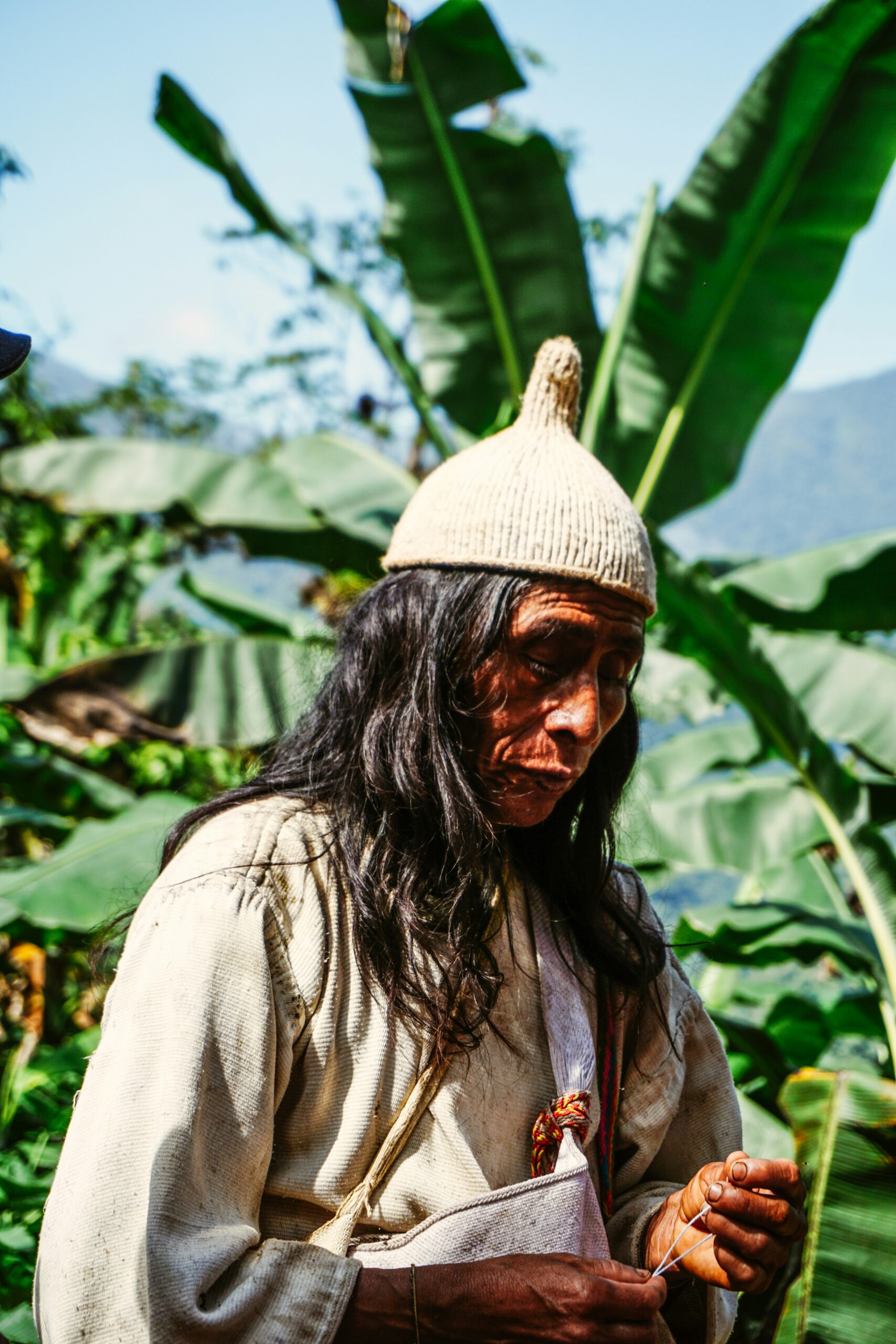
Parts of Colombia, like the Sierra Nevada de Santa Marta, are home and sacred ground to Indigenous peoples, and some treks and parks cross their land. Treat those places and the people who live there with the respect you would want for your own home. Follow your guides and the community’s lead, ask before photographing anyone, and accept a no without pushing. A few words of Spanish go a long way, and meeting what is unfamiliar with curiosity rather than assumption opens far more doors than it closes.

Cut waste, especially near the water
Tap water is safe to drink in cities like Bogota and Medellin, and less so in many other areas, so a reusable bottle with a built-in filter saves a real pile of plastic over a trip. Refuse single-use plastics where you can, and be especially careful near beaches and reefs, where a stray bottle or bag can do lasting harm to marine life.
Think about how you get around
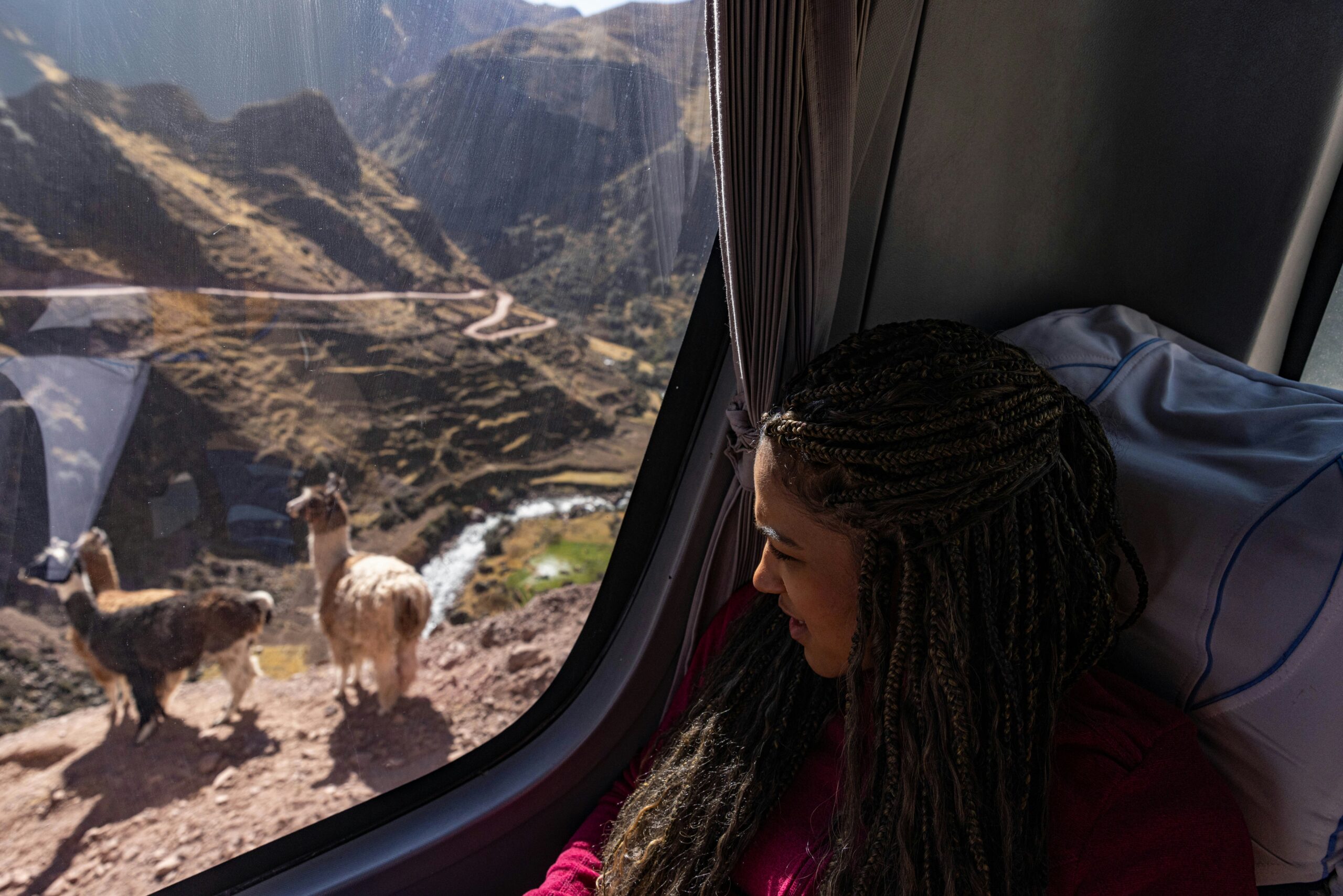
Colombia’s mountains and rivers make some flying hard to avoid, but you can cut it down by settling into one or two regions rather than hopping across the country every few days. Slower travel is lighter on the planet, and it almost always turns out to be the better trip anyway, with more time to actually know a place.
Join Us in Sustainable Travel
The way you travel matters as much as where you go. Wayfarer Green Travel is a 501(c)(3) nonprofit whose small-group Colombia tours are built around a lighter footprint and real respect for the country’s people and wild places. Travel with us, and your trip gives something back.