
BEFORE YOU GO
10 Tips Before You Travel to Colombia
From altitude prep to the mandatory Check-Mig form, here’s everything we tell every traveler before they fly with us. A practical guide from a 501(c)(3) ecotourism nonprofit that’s been bringing travelers to Colombia for years.

Travel tip #1: MANDATORY PRE-FLIGHT FORM
Complete Your Check-Mig
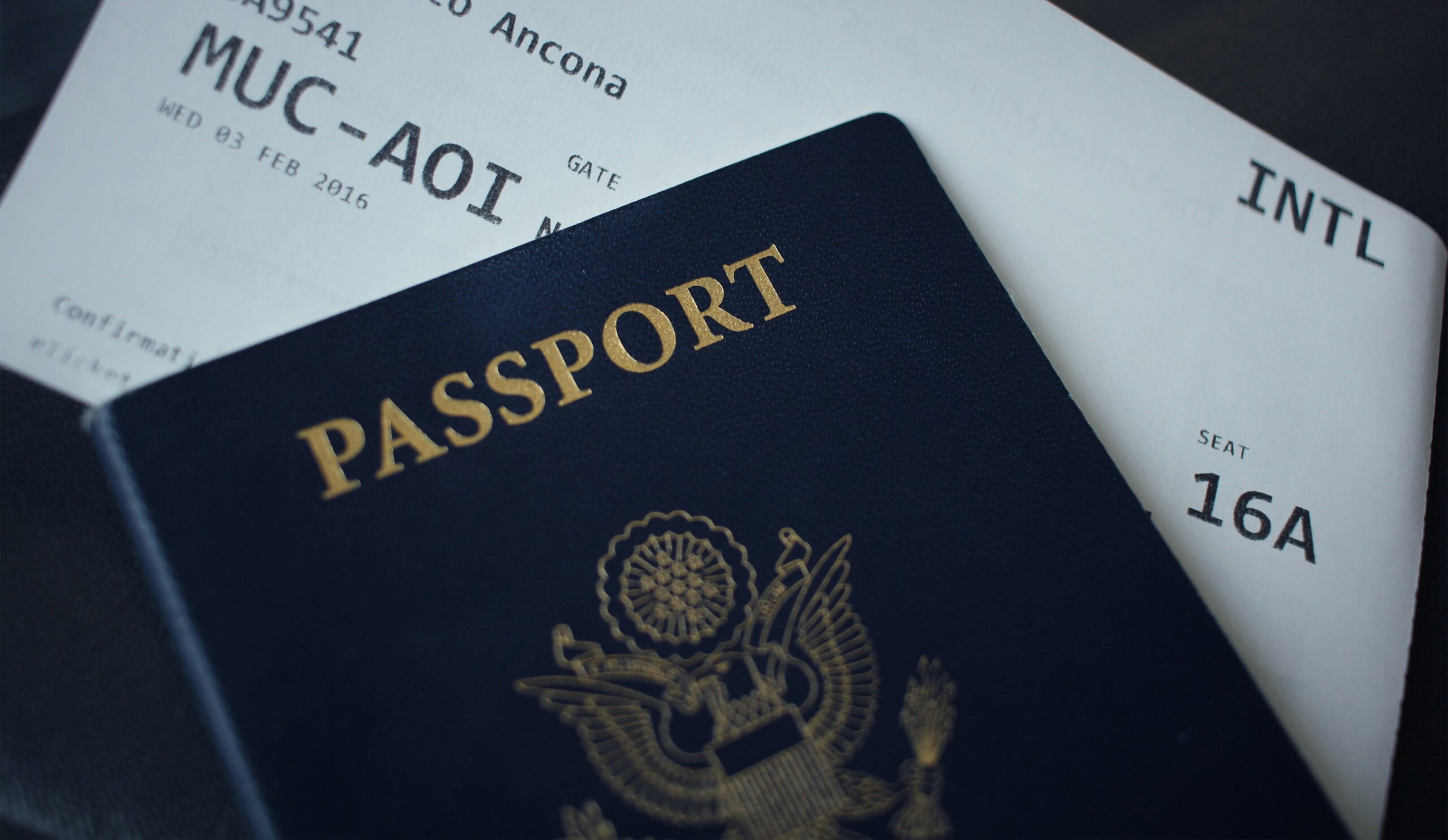
The Check-Mig is a free online form that all travelers must complete before flying to or from Colombia. Submit it between 1 and 72 hours before your flight, both arriving and departing. Airlines will ask for the confirmation at check-in, and you can be denied boarding without it.
Important: Use only the official Migración Colombia website. Third-party sites charge $50 or more to complete a form the government provides for free.

Visa-Free Entry for US Citizens
US citizens can enjoy a visa-free stay in Colombia for up to 90 days for tourism purposes. Upon arrival, your passport will be stamped, and you have the option to extend your stay once, allowing a total of 180 days per calendar year. Ensure your passport has at least one blank page for the entry stamp and is valid for the duration of your visit.
Visa Extension Process
Important Travel Tips
Save the Check-Mig confirmation. Take a screenshot of your Check-Mig submission. Some travelers have been asked to show it on arrival.
Cash limits. You can enter Colombia with up to $10,000 USD or its equivalent without declaring it. Anything more requires a customs declaration.
No dual nationals on US passport. If you’re a US-Colombian dual citizen, Colombian law requires you to enter and exit on your Colombian passport.
Additional Entry Requirements
Passport validity. Your passport must be valid for the duration of your stay. Colombia does not require six months of validity beyond your departure date, but most experts recommend it anyway.
Return ticket. Border officials may ask to see proof of onward travel (a return flight or a ticket to another country). Have it accessible at check-in and immigration.
Travel insurance. Not required for entry but strongly recommended, especially for adventure activities and high-altitude regions.
TIP #3: PREPARE FOR THE ELEVATION
Plan for Bogotá's Altitude
A few things that help:
Take it easy your first day. Don’t book a strenuous hike or marathon city tour right after you land.
Drink twice as much water as you normally would.
Avoid alcohol for the first 24 to 48 hours.
A local remedy called Agua de Panela (warm water with raw sugar cane) helps with the headache.
Yellow Fever for Amazon Travelers
If your trip is limited to Bogotá, Medellín, and other major cities above 2,300 meters, the vaccine is not required.
A few things to know:
A few things to know:
Get vaccinated at least 10 days before departure for full protection.
The vaccine offers lifetime protection after a single dose.
Carry your vaccination certificate (yellow card) when traveling within Colombia, especially to Amazon or rural areas.
Travelers with weakened immune systems, pregnant women, and adults over 60 should consult their doctor before vaccinating.
If you’re joining our 11-Day Heartbeats of Colombia Amazon tour, plan your vaccination at least two weeks before your departure date.
Why Paying in Pesos Matters
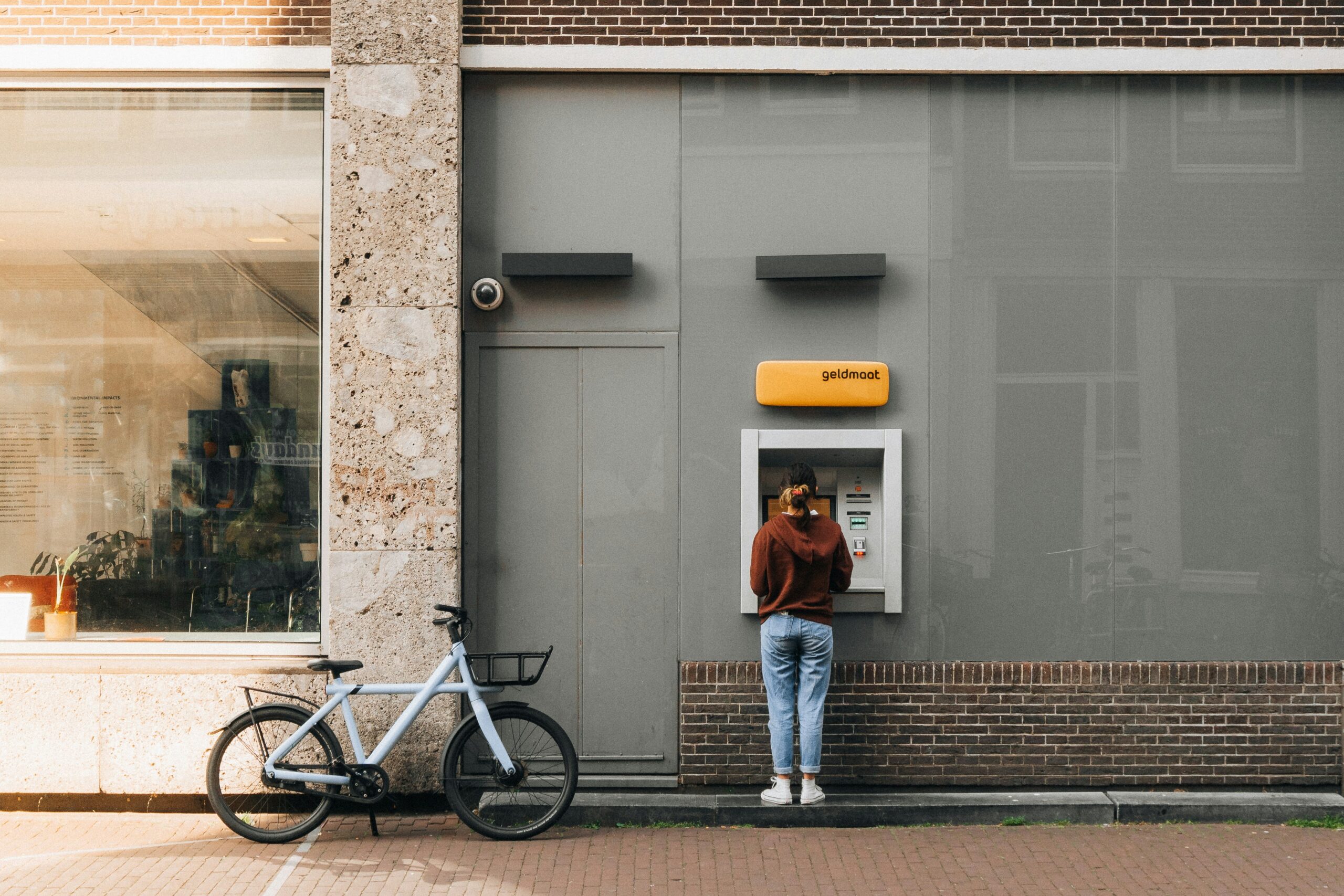
Use ATMs inside banks or shopping centers. They’re safer than standalone street ATMs and less likely to have skimming devices.
BBVA and Davivienda ATMs often have the highest withdrawal limits and lowest fees for international cards.
Reject Dynamic Currency Conversion. If the ATM asks whether you want to be charged in dollars or pesos, always choose pesos.
Inform your bank before you travel. Otherwise, your bank may flag the withdrawal as suspicious and block your card.
Withdraw during daylight hours. Especially at airport or unfamiliar ATMs, and cover your PIN as you would anywhere.
Visa and Mastercard Acceptance in Colombia
In Colombia, Visa and Mastercard are widely accepted across major cities such as Bogotá, Medellín, Cartagena, and Cali. These cards can be used at most hotels, restaurants, and retail outlets, ensuring a smooth transaction experience for travelers. However, American Express is not as commonly accepted, particularly at smaller businesses and in rural areas. It’s advisable to carry a Visa or Mastercard to avoid any inconvenience during your travels.
While American Express may be accepted at upscale hotels and some chain restaurants, it is not as widely recognized as Visa and Mastercard. For a hassle-free experience, especially when venturing outside major urban areas, having a Visa or Mastercard is essential. This ensures you can make purchases without any unexpected refusals, allowing you to enjoy your trip without financial hiccups.
TIP #7: USE VISA OR MASTERCARD
Visa and Mastercard Acceptance in Colombia
If your only card is an AmEx, apply for a Visa or Mastercard with no foreign transaction fees before your trip. You’ll also want one as a backup, since cash-only situations are common in markets, street food, smaller taxis, and rural areas.
Always say “una” when asked about installments. Colombian card terminals often ask how many “cuotas” (installments) you want to pay in. Always answer “una” (one). Otherwise the system may split your charge into monthly installments.
Ask “¿Aceptan tarjeta?” (“Do you accept cards?”) before ordering or selecting items at smaller establishments.
Carry small bills for cash-only situations. Street vendors, market stalls, taxis, and rural shops often don’t take cards.
Look for the card logos on shop windows or doors before entering if card payment is important to you.
TIP #8: USE RIDE-SHARING APPS
Get Around Safely with Ride-Sharing Apps
These apps are also generally cheaper than what a street taxi might charge a foreign traveler, and they remove the temptation for drivers to take a “scenic route” to inflate the fare.
Uber operates in a legal gray zone in Colombia. It works reliably, but drivers will often ask you to sit in the front seat to look like a friend rather than a passenger. This is normal. Don’t be alarmed.
Cabify is officially licensed and similar in price to Uber. It’s worth installing both apps before you arrive.
inDrive lets you negotiate the price with the driver, which can save money if you speak some Spanish.
For street taxis (if you must use one): Look for the official yellow taxis with their meter on, and ideally have your hotel or restaurant call one for you rather than flagging one down.
Always check the license plate matches what your app shows before getting in.
Sunscreen. The equator means strong UV even on cloudy days, and at high altitude the sun is even more intense.
Reusable water bottle. Tap water is generally safe in Bogotá and Medellín but not in smaller towns or the Amazon. A filter bottle is useful.
Power adapter: Not needed for US travelers. Colombia uses Type A/B plugs, the same as the US.
Cash bag or money belt. For carrying pesos discreetly in busier areas.
If you’re doing a multi-region trip like our 11-Day Heartbeats of Colombia tour, from Bogotá to the Caribbean, you’ll need clothes for all of these climate zones in one suitcase. Layering is key.
Pack for the Climate Zone, Not the Country
Here’s how to pack by region:
Bogotá and the Andes (Manizales, Salento, Villa de Leyva): Cool and often rainy, like eternal autumn. Pack a light jacket, layers, and rain protection. Temperatures average 50-65°F.
Medellín, the City of Eternal Spring: Mild temperatures year-round, usually 65-75°F. Light layers work. A light jacket for evenings.
Cartagena and the Caribbean Coast: Hot and humid year-round, 80-90°F. Pack breathable fabrics, sun protection, and quick-dry clothes. Linen is your friend.
The Amazon: Tropical, humid, and rainy. Quick-dry clothes, insect repellent, sturdy closed-toe shoes, and a rain layer. Long sleeves and pants help with mosquitoes.
Learn These Spanish Phrases Before You Go
The basics worth memorizing:
Hola (Hello)
Buenos días / Buenas tardes / Buenas noches (Good morning / afternoon / evening)
Por favor (Please)
Gracias (Thank you)
¿Cuánto cuesta? (How much does it cost?)
La cuenta, por favor (The check, please)
¿Aceptan tarjeta? (Do you accept cards?)
No, gracias (No, thank you)
No hablo español (I don’t speak Spanish)
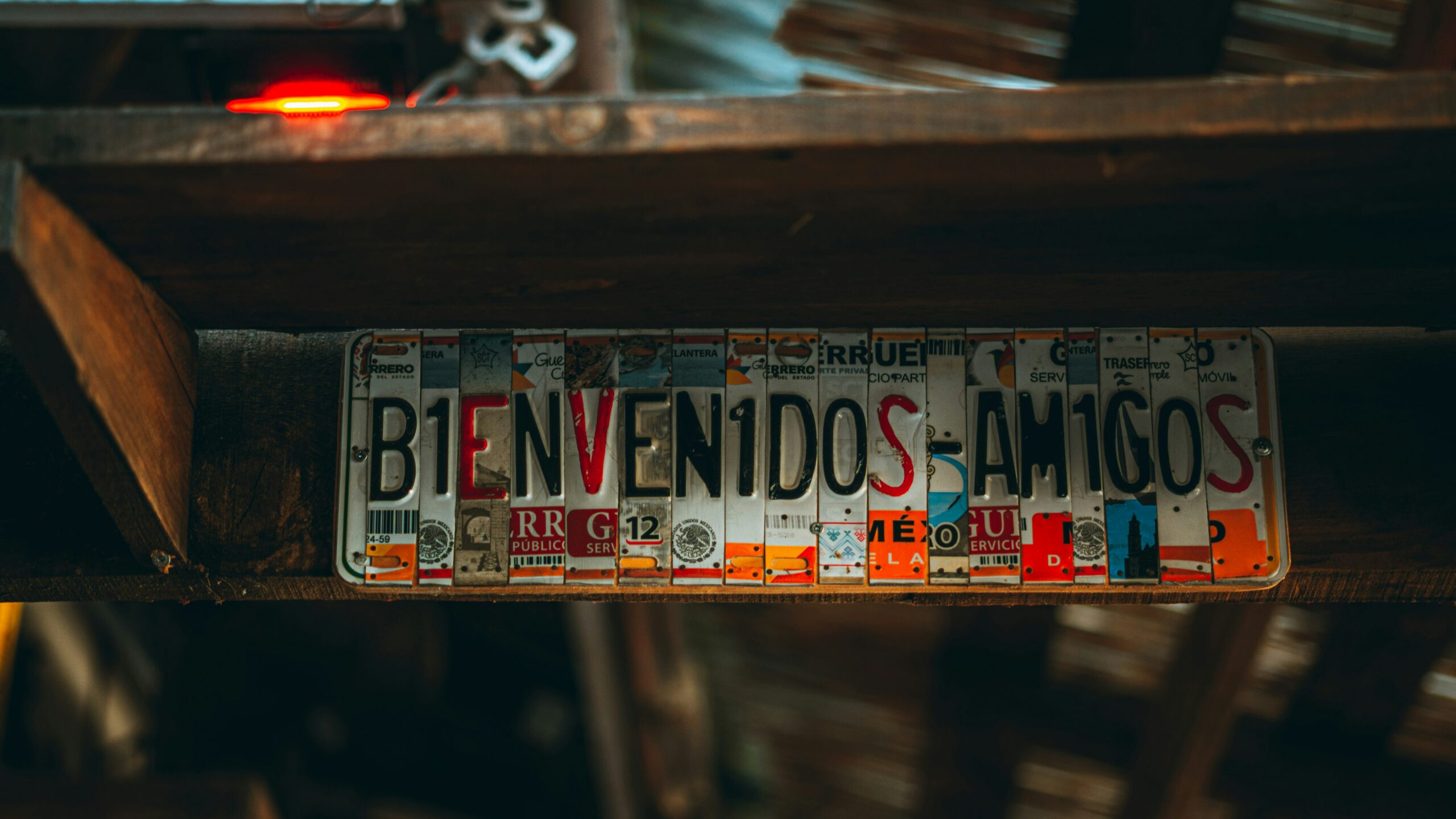
¡Qué chévere! (How cool! Used constantly in Colombia.)
Una, por favor (One, please. Use this when a card terminal asks how many “cuotas” or installments you want to pay in. The default Colombian payment system splits charges into installments unless you say otherwise.)
¿Está rico? (Is it tasty? A friendly thing to ask vendors.)
Un tinto (A small black coffee. Different from “café” in most other Spanish-speaking countries.)
Sencillo, por favor (Small change, please. Useful at street vendors who don’t have change for large bills.)
Pro tip: Download Google Translate or DeepL before you fly and install the offline Spanish pack. It works without WiFi, which matters when you’re trying to read a menu in rural Salento or talk to a driver in a place with no signal.
Have Questions?
We’re here to help you plan the perfect trip to Colombia. Whether you’re curious about the best time to visit, need advice on packing, or want to know more about our sustainable travel initiatives, our team is ready to assist. Reach out to us with any questions you have, and let’s make your Colombian adventure unforgettable. Call us at (801) 800-7906 or email info@wayfarereco.org today!